


K-foodie Meets J-foodie is a Netflix documentary series featuring Korean singer Sung Si-kyung and Japanese actor Yutaka Matsushige as they explore restaurants across Japan and South Korea, making it an exceptional resource for Japanese language learners who want authentic, food-focused content.
I am currently on Season 2, and there is a third season available—which I can’t wait to start. And even better news: Season 4 is coming in February 2026 with 13 episodes! I think this show offers something most Japanese learning content lacks: natural, unscripted conversations about a specific topic. Unlike overdramatic variety shows common on Japanese television, Sung Si-kyung and Yutaka Matsushige interact like genuine friends sharing meals, creating dialogue that feels authentic rather than performed.
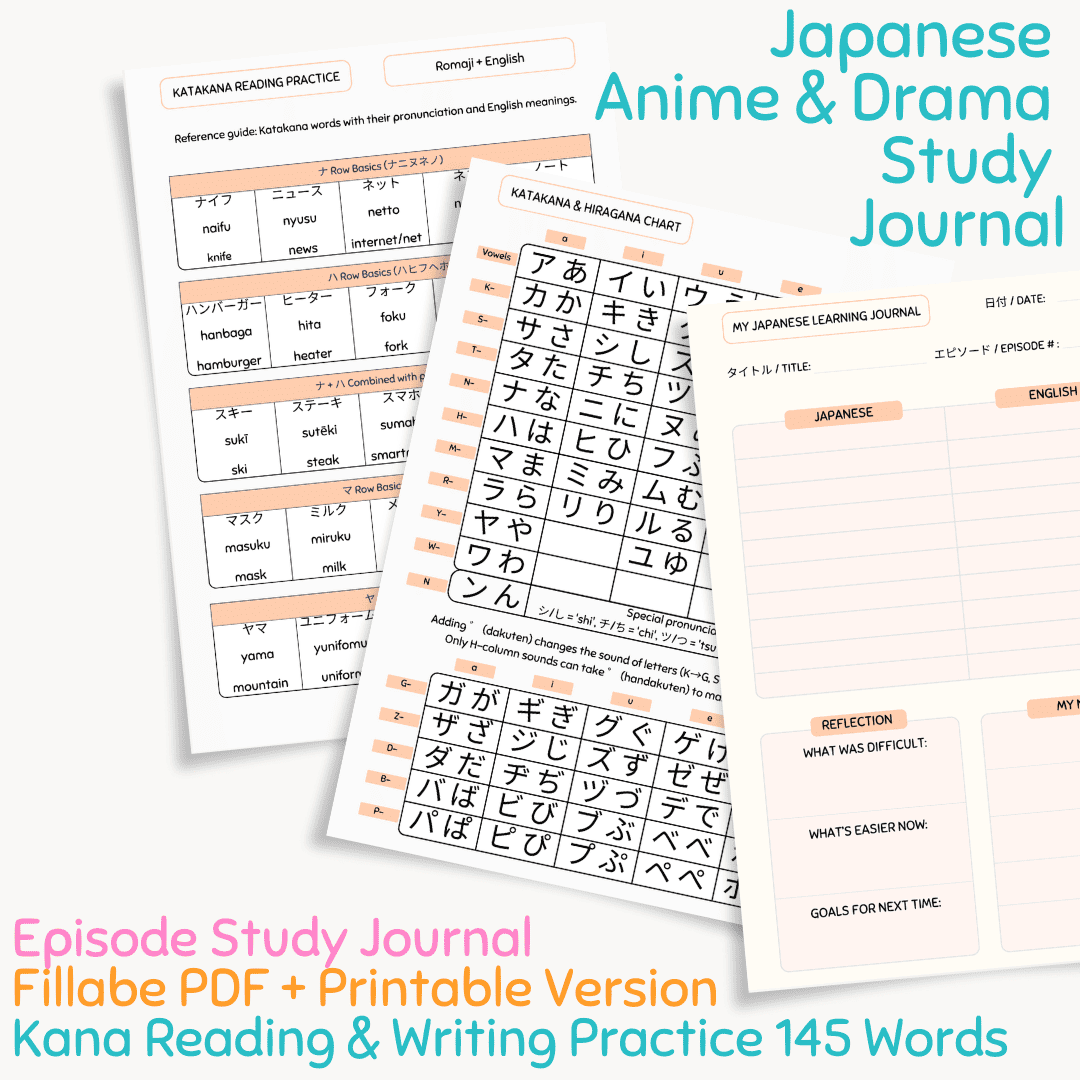
I prefer watching without subtitles, because it forces me to actively listen and engage with the language. When you watch something with English subtitles, your brain naturally focuses on reading those instead of listening to the actual Japanese—it’s just easier for your brain to read your native language. That’s why it’s technically better to watch either without subtitles or with Japanese subtitles if they’re available. When I remove the subtitle safety net completely, my brain works harder to decode meaning from context, tone, and the limited vocabulary I already know. Here’s my process:
This sentence-based approach works because vocabulary exists in context. Remembering “おまかせ (omakase)” connected to a full sentence about Sung Si-kyung ordering at a yakitori restaurant proves more effective than memorizing the word alone.
The vocabulary challenge: I find the restaurant and cooking terminology particularly valuable—words I rarely encounter in anime or standard textbooks. Terms for specific cuts of meat, cooking techniques, regional dishes, and dining customs expand my practical vocabulary for real-world Japan travel.
Cute editorial touches in Season 2: I absolutely love the subtle visual gags the production team adds. In Season 2, they made these edits extra cute—like dressing Yutaka Matsushige in a school uniform when he recalls eating at specific restaurants during his student days. I can’t get enough of these touches because they enhance without interrupting the conversational flow.
Cross-cultural food comparisons: Season 2 alternates between Japan and South Korea, with both hosts sharing their favorite local spots. I especially enjoy watching Sung Si-kyung’s reactions to Japanese dining customs—he expects Matsushige to pour his soju or serve him rice in a specific way, looking sad and puzzled when Japanese etiquette differs. Matsushige typically comments that Korean customs “seem like a hassle” before participating anyway, which I find hilarious.
No competition, just appreciation: Unlike food shows that pit cuisines against each other, both hosts enjoy every meal. There isn’t really a winner, which I think is great—just two people enjoying food and cuisine, the story behind it, and sharing their favorite spots.
Reddit’s r/JDorama community consistently praises the show’s authenticity. One learner noted: “They’re both funny and they really just get along while eating like they have been friends for a very long time.”
Another viewer specifically mentioned Sung Si-kyung’s dedication: “I really admire sung si kyung’s effort to learn Japanese and his wish to meet yutaka matsushige.” This Japanese learning journey mirrors what viewers themselves experience—watching someone navigate a second language in real situations.
Some viewers compared it favorably to Kodoku no Gourmet (Solitary Gourmet), Matsushige’s famous solo dining show, with one comment stating: “I remember watching Kodoku no gourmet many years ago. It was so wholesome.” K-foodie Meets J-foodie builds on that wholesomeness by adding cross-cultural friendship.
My take on these perspectives: The community recognizes what makes this show valuable—it’s not performed, it’s lived. Sung Si-kyung genuinely learns Japanese phrases throughout the series, making mistakes native to Korean speakers. This realness matters for language learners because it models the actual process of language acquisition rather than presenting polished, unattainable fluency.
I watch one episode every few days rather than binging. I can’t binge it because it will be over too soon that way, and I want to enjoy it for a long time. This pacing allows:
The show’s soothing quality makes it perfect for relaxed learning sessions. It just feels like an incredibly soothing show to watch, where I can learn so much from every episode.
Each episode showcases specific establishments across different Japanese prefectures and Korean regions. So many spots look so good, and I really want to visit them when I have a vacation in Japan. The variety means you’ll encounter:
These aren’t tourist traps—both hosts select places they genuinely frequent or have researched, making the show a legitimate travel planning resource. I really love seeing the special restaurants and also the areas they visit, as it is very different each time.
I think this is the best show on Netflix in Japanese about food. I prefer this show to other alternatives like:
This show feels like sitting with two friends at dinner, not watching a production. It’s not a silly show with overdramatic hosts like normal daytime Japanese TV, but a warming show that I enjoy every time. That authenticity creates the natural, flowing Japanese conversation that benefits language learners most.
K-foodie Meets J-foodie delivers what Japanese language learners need: authentic, enjoyable content that teaches without feeling like a textbook. The show’s gentle pacing, genuine friendship between hosts, and focus on cultural exchange through food creates an ideal learning environment for anyone serious about understanding conversational Japanese in real-world contexts. Learning more about Japan without being in Japan, I think, is a great way to stay connected to the language and culture. With 38 episodes already available and more coming in 2026, there’s plenty of content to support your Japanese learning journey.
Improve by watching your favourite Shows!

Discover Japanese lessons, captivating stories, and more resources tailored for Japanese learners.