


A Man on the Inside is a Netflix comedy-drama starring Ted Danson that I think is one of the best shows for learning conversational Japanese right now. After watching both seasons in English and falling in love with the characters, I switched to the Japanese dub—and it’s become my favorite Japanese learning resource this year.
I watched Season 1 and Season 2 back-to-back in English first, completely hooked on the story. Season 1 follows Charles, a retired professor who goes undercover in a retirement community to solve a mystery for a private investigator. Season 2 just released, and Charles goes undercover in a college to find out who stole a laptop worth $400,000. The cast is fantastic – Max Greenfield (Schmidt from New Girl) appears in Season 2, and every actor brings genuine depth to their role.
Then I rewatched everything in Japanese. This changed how I approach Japanese learning content entirely.
I’m not fluent enough to catch everything in Japanese, but because I already knew the entire story from watching in English, I wasn’t frustrated by missing words or phrases. I could focus entirely on the language itself rather than desperately trying to follow the plot.
This is completely different from watching a new show in Japanese where you’re torn between wanting to know what happens next and wanting to understand the language. With A Man on the Inside, I already knew what was coming, so I could:
I think this approach is easier and less stressful than trying to learn from content you’re watching for the first time.
The Japanese dub is really good. Voice actors capture the emotional nuances of the original performances, which matters tremendously for a show this character-driven. Ted Danson’s Charles has a gentle, slightly befuddled warmth that the Japanese voice actor nails perfectly. The emotional scenes—and there are several that genuinely made me tear up – land just as powerfully in Japanese.
Netflix offers both:
I use Japanese audio with Japanese subtitles. This forces my brain to connect spoken Japanese to written Japanese rather than falling back on English translation.
Unlike anime with exaggerated speech patterns or historical dramas with formal keigo, A Man on the Inside features normal, everyday conversational Japanese. Characters talk like actual people:
The conversational pacing is perfect for learners. Characters don’t talk rapidly like in variety shows, but they also don’t speak unnaturally slowly like in textbook dialogues.
I think it’s always better to consume something you’re interested in instead of forcing yourself through content you don’t care about just because it’s “good for learning.” A Man on the Inside passed my genuine entertainment test first—I would watch this show even if I weren’t learning Japanese. That emotional investment makes the language learning effortless.
Compare this to:
A Man on the Inside sits in the perfect middle ground: interesting enough to hold attention, conversational enough to be useful, clear enough to follow.
I think Season 2 is even better than Season 1—more exciting plot, deeper character development—which made rewatching it in Japanese feel less like studying and more like genuinely enjoying content I loved.
The Reddit post I read about this show mentioned Ted Danson “making a grown-ass man cry via poetry,” and I completely understand. There’s a scene in Season 1 where Charles reads Shakespeare that genuinely moved me—both in English and Japanese. When you have that emotional connection to a scene, the Japanese words spoken in that moment stick in your memory permanently.
I remember specific Japanese phrases from emotional scenes far better than vocabulary I drilled with flashcards. The context, the emotion, the visual—it all combines into a complete memory package.
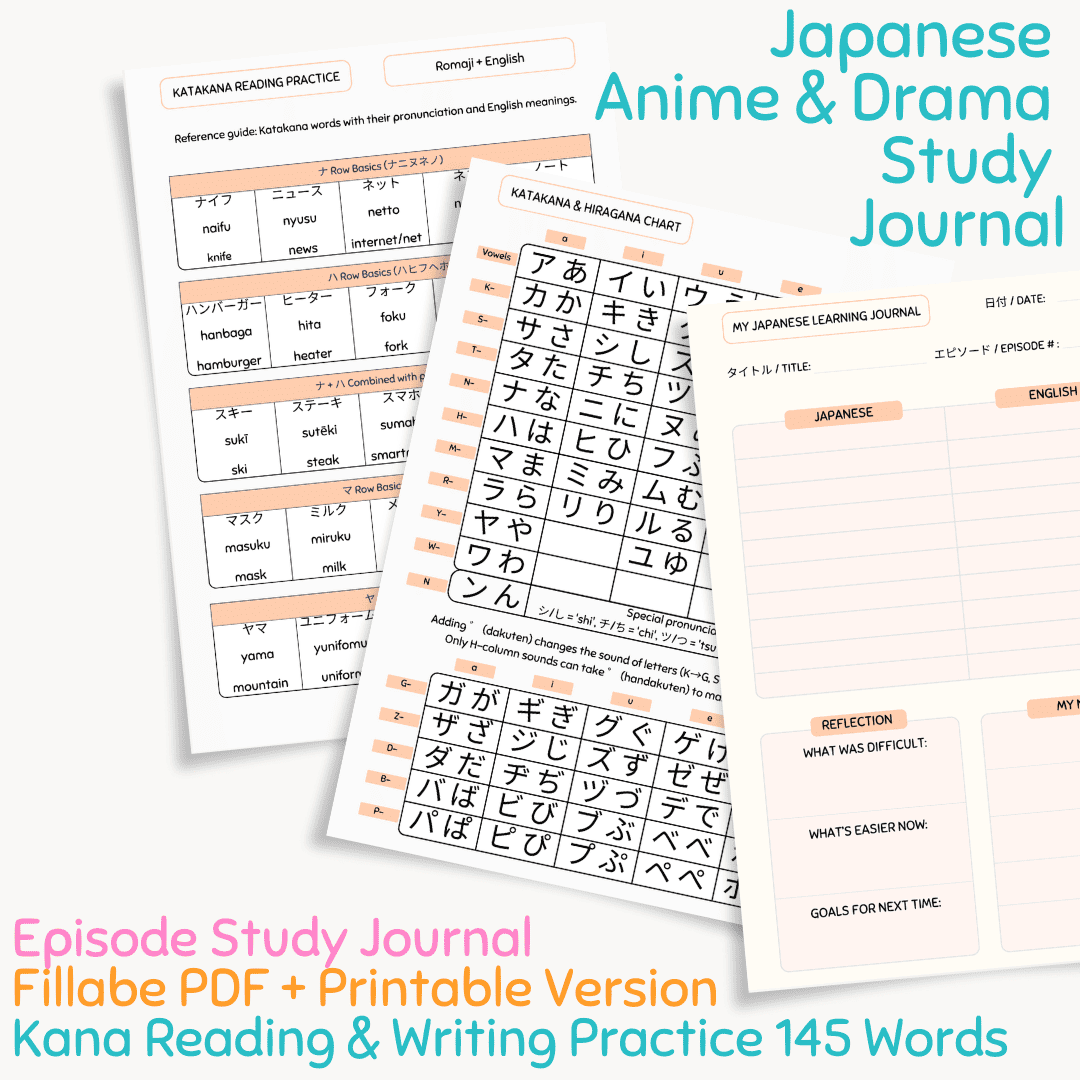
I write down complete sentences, not isolated words. When I hear a useful phrase or new vocabulary, I pause and write the full sentence (or make up a new sentence with the word) in Japanese. This gives me context for how the word functions grammatically and situationally.
I love watching character development in Japanese. Charles starts Season 1 as a lonely widower uncertain about his purpose, and by the end of Season 2, he’s built genuine friendships and found new meaning. Tracking this arc in Japanese – hearing how his speech patterns change, how he becomes more confident, how his relationships deepen – adds a linguistic layer to the storytelling.
Supporting characters get real development too, not just throwaway backstories. Julie (the private investigator), Calbert (a retirement home resident), Didi (another resident) – each has their own vocabulary set based on their personality and background.
If they make a third season of A Man on the Inside, I’m tempted to watch it in Japanese first, then English to check what I missed. This would be the ultimate test of my comprehension improvement. Right now I’m not confident enough to do that, but I’m working towards it bit by bit, word by word.
The fact that I’m excited about potentially watching Season 3 in Japanese first shows how much this show has changed my relationship with Japanese learning. It stopped feeling like “study time” and started feeling like “I can’t wait to see what happens next.
A Man on the Inside proves that the best Japanese learning content is simply content you love that happens to be available in Japanese. The show’s focus on genuine human connection, aging, friendship, and finding purpose resonates emotionally—and that emotional investment makes every Japanese word you learn feel meaningful rather than mechanical. I’m glad so many others think this show is great, and I hope you give it a shot for both entertainment and language learning.
Improve by watching your favourite Shows!

Discover Japanese lessons, captivating stories, and more resources tailored for Japanese learners.